Introduction
Preventative Botox has become an increasingly discussed topic in aesthetic medicine. Many patients wonder whether starting wrinkle relaxer treatments earlier in adulthood can help delay the development of deeper wrinkles later in life. While Botox is commonly associated with treating visible wrinkles, it can also be used strategically to reduce the repetitive muscle movements that contribute to wrinkle formation over time.
Preventive botox is an early, proactive approach that targets lines and wrinkles before they become deeply etched. Starting early with preventive botox, often in your 20s or 30s, can help maintain a youthful appearance and may lead to needing much less treatment in the future.
There is no universal “perfect age” to begin preventative Botox. However, many dermatologists and aesthetic providers suggest that the mid-to-late 20s through early 30s can be a common window for considering early treatment. Preventative Botox is often recommended for individuals in this age range when they first notice bothersome facial lines and wrinkles.
Many patients wait until wrinkles appear before seeking Botox treatment, but preventative Botox is used before lines and wrinkles become established. The timing depends heavily on individual factors such as genetics, sun exposure, facial expressiveness, and lifestyle habits.
At Monarch Esthetics in Charleston, treatment plans are personalized based on each patient’s facial anatomy, skin quality, and aesthetic goals. We evaluate muscle movement patterns and early signs of expression lines before recommending treatments such as wrinkle relaxers, dermal fillers, or skin rejuvenation procedures available at the practice. The trend of younger patients seeking preventative Botox is increasing, with many women undergoing Botox treatments being under 30 years old.
Understanding how preventative Botox works—and when it may be appropriate—can help patients make informed decisions about long-term skin care and anti-aging strategies. Noticing the first signs and signs of aging, such as fine lines and wrinkles, can be a trigger for considering preventative Botox.
How Botox Works: Reducing Muscle Movement
Botox works by temporarily reducing muscle contractions that cause dynamic wrinkles. Dynamic wrinkles form when facial muscles repeatedly contract during expressions such as smiling, frowning, or raising the eyebrows.
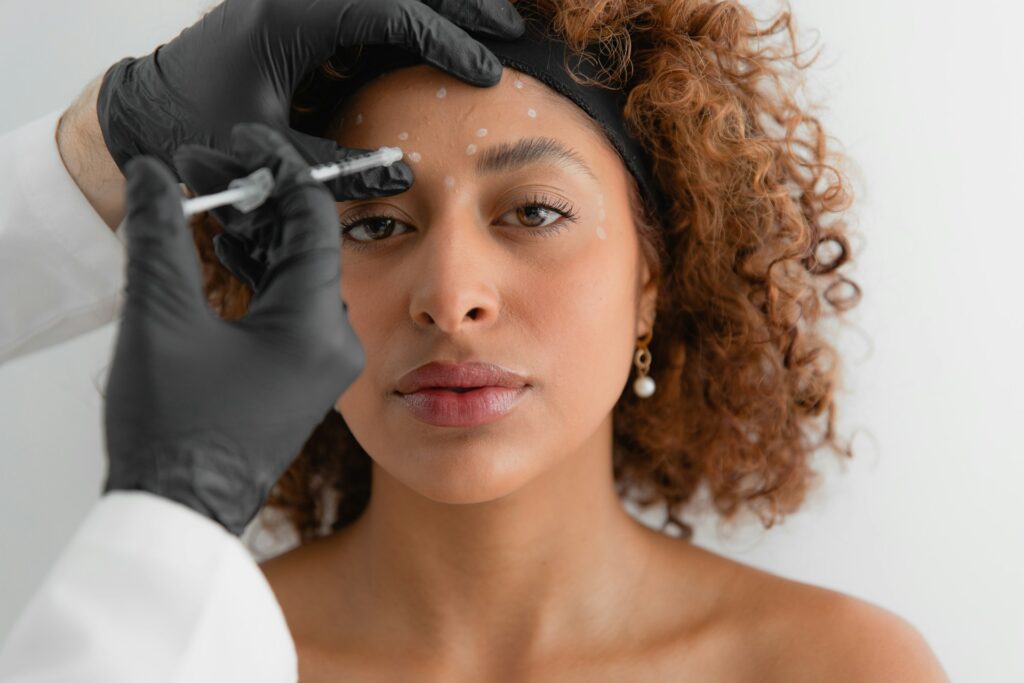
The active ingredient in Botox is botulinum toxin, a purified protein that blocks the release of acetylcholine at the neuromuscular junction. Acetylcholine is the neurotransmitter responsible for signaling muscles to contract. Botox is injected into specific muscles (injected muscles) to temporarily interrupt the release of acetylcholine, which helps with nerve-muscle communication.
When acetylcholine release is blocked:
- targeted muscles relax
- facial expressions become less forceful
- the skin above the muscle experiences less repetitive folding
According to the U.S. Food and Drug Administration (FDA), botulinum toxin injections temporarily reduce muscle activity, which helps improve the appearance of moderate to severe facial wrinkles.
Results typically begin appearing within 3 to 14 days after treatment and often last about three to four months in many patients. Botox results include a temporary improvement in the appearance of wrinkles and fine lines, giving the skin a smooth, youthful look.
Signs You May Benefit From Early Botox
Preventative Botox is generally considered when early expression lines begin forming but have not yet become deeply etched into the skin.
Signs that someone may benefit from early treatment include:
- fine lines appearing during facial expressions
- faint wrinkles beginning to appear at rest
- highly expressive facial movement
- dynamic lines that appear with facial movement
- family history of early wrinkle formation
Individuals with a very expressive face or expressive face may develop static lines earlier due to frequent facial movements.
Lifestyle factors can also influence how early wrinkles appear. For example:
- cumulative sun exposure
- smoking
- inconsistent skincare habits
Individuals with highly expressive faces may develop static lines earlier.
According to the American Academy of Dermatology, ultraviolet (UV) exposure is one of the primary contributors to premature skin aging and wrinkle formation.
For individuals with these risk factors, earlier preventative treatment may help slow the development of deeper expression lines.
Botox in Your 20s: Preventative Use
For many patients in their 20s, Botox is used primarily as a preventative measure rather than a corrective treatment. Preventive botox is a proactive approach that aims to delay the formation of wrinkles by relaxing facial muscles before deep lines set in.
During this stage, treatment often focuses on areas that commonly develop early dynamic wrinkles, such as:
- forehead lines
- frown lines between the eyebrows (glabella lines)
- crow’s feet around the eyes
Starting Botox in your 20s can help prevent the deepening of dynamic wrinkles that occur from facial expressions.
The goal is not to eliminate movement completely but to reduce excessive muscle contraction that contributes to wrinkle formation.
Treatments typically use lower doses and targeted injection patterns to maintain natural facial expressions.
Some injectors refer to this conservative approach as micro-dosing, where small amounts of product are placed strategically to soften muscle activity without creating a frozen appearance.
Many patients in their 20s and 30s receive preventative Botox treatments every three to six months to maintain muscle relaxation and prevent deeper wrinkles.
Botox in Your 30s: Prevention and Early Correction
Many patients first consider Botox in their early to mid-30s. During this decade, expression lines may start appearing more consistently—even when the face is at rest. Starting early with preventative Botox can help delay the formation of deeper lines and maintain a smoother appearance.
Common concerns during this stage include:
- horizontal forehead lines
- glabellar frown lines (the “11s”)
- crow’s feet around the eyes
- early lip lines
Preventative Botox treatments are often recommended when individuals first notice bothersome facial lines and wrinkles, typically in their mid-to-late 20s or early 30s.
Treatment in the 30s often combines preventative and corrective approaches. By relaxing the muscles responsible for these lines, Botox can soften existing wrinkles while preventing them from becoming deeper over time.
Treatment frequency typically remains every three to six months, depending on muscle strength and how quickly results fade.
Botox in Your 40s: Corrective Treatments and Combination Approaches
By the 40s, dynamic wrinkles may begin transitioning into static wrinkles, meaning the lines remain visible even when the face is relaxed. Patients in their 40s often seek Botox for deeper wrinkles around the eyes, forehead, and mouth.
During this stage, Botox is often used to:
- soften existing wrinkles
- prevent further deepening of expression lines
- maintain smoother skin during facial movement
Because skin also loses collagen and volume with age, many patients in their 40s combine Botox with other aesthetic treatments. Collagen production declines starting in the 40s, which contributes to wrinkle formation and volume loss.
For example, dermal fillers can restore lost volume in areas such as the cheeks or nasolabial folds, while skin rejuvenation treatments may improve skin texture and elasticity. Complementary treatments and other procedures, such as dermal fillers or laser therapies, can be used alongside Botox to address issues like sagging skin or deep lines that Botox alone may not treat.
At Monarch Esthetics, providers may recommend personalized treatment plans that combine wrinkle relaxers with other available procedures depending on the patient’s goals and skin condition.
Treatment intervals in this decade may remain around three to four months for consistent wrinkle control.
Botox in Your 50s and Beyond
Patients in their 50s and beyond often pursue Botox treatments to soften deeper expression lines while maintaining a natural appearance. At this age, concerns about deeper lines and visible signs of aging—such as wrinkles, sagging skin, and volume loss—become more prominent. Early intervention can help prevent these lines from becoming even deeper over time.
At this stage, Botox can help:
- reduce the appearance of dynamic wrinkles
- soften forehead creases and crow’s feet
- maintain a more relaxed facial expression
- target common areas in the 50s, including crow’s feet, frown lines, and upper lip lines
However, Botox alone may not fully eliminate long-standing wrinkles that have become deeply etched into the skin. In the 40s and 50s, Botox is used more for correcting existing wrinkles rather than preventing them. Those in their 60s often request Botox to soften lines and rejuvenate the appearance of the jawline and mouth.
For this reason, treatments in later decades often involve combination approaches, such as:
- dermal fillers for volume restoration
- skin resurfacing treatments
- collagen-stimulating procedures
These strategies can help address multiple aspects of facial aging.
Potential Risks and Side Effects of Botox
At Monarch Esthetics, Botox is performed with a focus on safety, precision, and natural-looking results. While Botox is FDA-approved and widely used, it’s important to understand potential side effects.
Most are mild and temporary, including slight redness, swelling, bruising, or occasional headaches, typically resolving within a few days.
Less common effects may include temporary eyelid drooping, mild asymmetry, or muscle weakness if the product spreads beyond the intended area. Rare but serious reactions are minimized through careful technique and expert knowledge of facial anatomy.
At Monarch, we take a conservative, customized approach to avoid over-treatment and maintain natural facial movement. Every treatment begins with a personalized consultation to ensure Botox is safe and aligned with your goals.
With proper technique and a tailored plan, Botox can deliver safe, balanced, and natural-looking results.
Maintenance, Frequency, and Stopping Botox
Because Botox is temporary, maintaining results requires periodic treatments.
Most patients receive injections every three to six months, depending on their response to treatment.
Interestingly, some patients notice that long-term use can gradually reduce wrinkle severity. This may occur because the treated muscles become less active over time.
If someone stops Botox treatments entirely, muscle activity gradually returns and wrinkles reappear at their natural baseline.
Importantly, stopping treatment does not cause wrinkles to worsen beyond their original appearance.
Frequently Asked Questions
What is the best age to start preventative Botox?
Many aesthetic providers suggest the mid-to-late 20s through early 30s as a common time to consider preventative Botox, though the ideal timing varies by individual.
Does starting Botox earlier prevent wrinkles completely?
Botox can help reduce repetitive muscle movement that contributes to wrinkles, but it does not completely prevent natural aging.
Will Botox look unnatural if I start in my 20s?
When conservative dosing is used, Botox treatments typically soften muscle movement while preserving natural facial expression.
Can lifestyle habits affect when I should start Botox?
Yes. Sun exposure, smoking, and poor skincare habits can accelerate wrinkle formation, which may influence treatment timing.
Is preventative Botox necessary for everyone?
No. Some people develop wrinkles later than others due to genetics or lifestyle factors. Consultation with a qualified provider helps determine whether treatment is appropriate.
Conclusion: Choosing the Right Time for Preventative Botox
Preventative Botox can be an effective strategy for slowing the formation of dynamic wrinkles, particularly in areas such as the forehead and around the eyes. For many individuals, the mid-to-late 20s through early 30s is a common timeframe to consider early treatment.
However, the ideal starting age depends on individual factors including genetics, lifestyle habits, and facial movement patterns.
Our team of experts will help you evaluate your unique skin concerns and develop a personalized treatment plan. At Monarch Esthetics in Charleston, wrinkle relaxer treatments are carefully tailored to balance prevention, natural movement, and long-term aesthetic goals.
By combining preventative treatments with healthy skincare habits and sun protection, patients can take a proactive approach to maintaining smoother, more youthful-looking skin over time.