Skip to content


Introduction
One of the most common questions patients ask before receiving injectable wrinkle treatments is simple: how long will the results last? Understanding the typical duration of wrinkle relaxers helps patients plan treatments, set realistic expectations, and maintain consistent cosmetic results. First-time clients may have specific questions and expectations about their initial treatment, and injectable treatments like wrinkle relaxers are tailored to individual needs.
Wrinkle relaxers—often referred to as neuromodulators—temporarily reduce the muscle activity that causes dynamic wrinkles. These are the lines that form from repeated facial movements such as smiling, frowning, or raising the eyebrows. By relaxing specific facial muscles, wrinkle relaxers can soften expression lines and create a smoother, more refreshed appearance.
The longevity of these treatments varies from person to person. Factors such as the specific product used, the treatment area, the injector’s technique, and individual biological differences all influence how long results will last. Most clients begin to notice the initial effects of their treatment within a few days, with full effects typically visible by 2 weeks.
At Monarch Esthetics in Charleston, wrinkle relaxer treatments are tailored to the patient’s facial anatomy and cosmetic goals. Providers evaluate muscle movement patterns and treatment history before recommending injectable treatments or complementary procedures such as dermal fillers, SkinPen™ microneedling, or laser-based skin rejuvenation available at the clinic.
Understanding the typical timeline—from initial onset to gradual fading—can help patients maintain consistent results while preserving natural facial expression. Maintaining a healthy skincare routine and making healthy lifestyle choices, such as sun protection and avoiding smoking, can enhance the results and longevity of wrinkle relaxers.
Introduction to Aesthetic Medicine
Aesthetic medicine is a specialized field focused on enhancing and maintaining the appearance of the skin and facial features through minimally invasive procedures. Among the most popular cosmetic treatments in this area are wrinkle relaxers, which have revolutionized the way we address fine lines and wrinkles.
By targeting specific facial muscles responsible for expression lines, wrinkle relaxers like Botox offer a non-surgical solution for those seeking a smoother, more youthful appearance. These treatments are designed to soften lines and wrinkles without altering the natural character of your face, making them a cornerstone of modern aesthetic medicine.
Understanding how wrinkle relaxers work and their role in overall skin health empowers individuals to make informed decisions about their cosmetic care and achieve results that align with their personal goals for youthful, healthy-looking skin.
What Are Wrinkle Relaxers?
Wrinkle relaxers belong to a category of injectable treatments known as neuromodulators. These medications temporarily reduce muscle contractions that create expression-related wrinkles.
Common neuromodulator products used in aesthetic medicine include:
- Botox
- Dysport
- Xeomin
- Daxxify
Botox and Dysport are both types of neuromodulators used to reduce the appearance of wrinkles.
All of these products contain forms of botulinum toxin, a purified protein that temporarily blocks nerve signals that trigger muscle contraction. Both Botox and Dysport contain botulinum toxin type A, but they have different formulations that can affect their performance based on individual muscle reactions.
Botulinum toxin injections work by inhibiting the release of acetylcholine, the neurotransmitter responsible for activating muscle movement. The botox protein temporarily blocks nerve communication to reduce muscle activity and expression lines, and this effect gradually diminishes as the protein is metabolized and nerve connections are restored.
When muscle activity decreases, the skin above the muscle relaxes, allowing wrinkles to soften.
In aesthetic medicine, wrinkle relaxers are commonly used to treat dynamic wrinkles such as:
- forehead lines
- frown lines between the eyebrows
- crow’s feet around the eyes
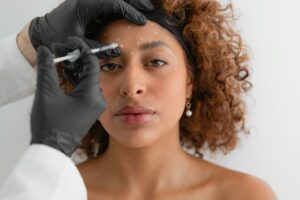
Botox treatments are professional cosmetic procedures offered in a clinical setting.
Beyond cosmetic uses, botulinum toxin also has several medical applications. The FDA has approved botulinum toxin for conditions including:
- chronic migraine
- excessive sweating (hyperhidrosis)
- certain muscle spasticity disorders
Average Duration and Typical Botox Results
For most patients, wrinkle relaxer results last approximately three to six months, depending on several factors. The effects of both Botox and Dysport are temporary, typically lasting between three to six months, and as results wear, muscle movement gradually returns.
Different brands like Botox, Dysport, and Xeomin have varying durations.
Among the commonly used neuromodulators:
Botox
Results typically last around three to four months for many treatment areas. Botox is better suited for smaller, more targeted areas such as crow’s feet.
Dysport
Some patients report a slightly faster onset, with effects often appearing slightly sooner than Botox and lasting three to five months. Dysport has a smaller molecular size that allows it to spread more easily in the treatment area compared to Botox, making it particularly effective for larger areas like the forehead.
Daxxify
Clinical trials have suggested that this newer formulation may last six months or longer in some patients.
However, duration is not determined solely by the product used. The treatment area also plays a significant role. Muscles that are stronger or used frequently may metabolize the medication faster, causing results to fade sooner.
For example, the frontalis muscle in the forehead is often stronger than smaller muscles around the eyes, such as those responsible for crow’s feet, which can influence how long results last.
Timeline: Onset, Peak, Stability, and Fading
Wrinkle relaxer treatments follow a predictable timeline.
Onset Phase
After your wrinkle relaxer injection, you may not notice immediate changes. The visible effects usually begin to appear within a few days. Specifically, Dysport typically shows visible effects within two to three days after injection, while Botox results can take up to a week to become noticeable.
Peak Results
Most patients experience the full benefits of wrinkle relaxers about two weeks after treatment. At this point, the treated muscles are maximally relaxed and lines appear significantly reduced.
Duration of Results
The results generally last three to four months, depending on the product used and individual factors.
Gradual Fading
Over time, the effects of wrinkle relaxers begin to fade gradually, with muscle movement returning in the treated areas. As this happens, lines and wrinkles may slowly reappear in those treated areas, signaling that it may be time for a follow-up treatment.
Area-Specific Timelines
Different facial areas can respond differently to wrinkle relaxers because muscles vary in size, strength, and activity.
Forehead Lines
Forehead treatments often show improvement within four to seven days.
Results commonly last about three to four months due to the strength and frequent use of the frontalis muscle.
Frown Lines (Glabellar Lines)
The glabellar complex between the eyebrows often produces some of the longest-lasting results, with onset around five to seven days.
Crow’s Feet
Wrinkles around the eyes may respond more quickly—sometimes within three to five days—because the orbicularis oculi muscle is thinner.
Results in this area typically last around three to four months.
Fine Lines in Other Areas
Other areas of the face—such as around the mouth or jaw—may show more variation in both onset and duration depending on the muscle involved.
Factors That Influence How Long Wrinkle Relaxers Last
Several biological and treatment-related factors influence how long results persist. Factors like skin type, elasticity, and the depth of wrinkles can also affect how long wrinkle relaxers last.
The experience of the injector plays a significant role in the outcome. The injection technique and skills of the practitioner are crucial for achieving longer-lasting effects.
Most side effects are mild and temporary. Mild side effects such as redness, swelling, or bruising can occur at the injection site.
Metabolism
Individuals with faster metabolic rates may process the medication more quickly, resulting in shorter duration.
Muscle Strength
Stronger or frequently used muscles may regain activity sooner than smaller muscles.
Dosage and Injection Placement
Precise placement and appropriate dosing can help optimize both the effectiveness and longevity of treatment.
Injector Experience
Experienced injectors carefully map injection sites to target the correct muscles while preserving natural movement. Proper injection technique is essential for achieving optimal, long-lasting results. The skills and techniques of the practitioner are crucial for longer-lasting effects.
Previous Treatments
Some patients notice that results last slightly longer after several treatment cycles because the muscles become less active over time. Regular treatments and maintenance sessions can help prolong the effects of wrinkle relaxers by training facial muscles and enhancing long-term results.
Lifestyle Factors
Lifestyle habits can influence skin health and wrinkle formation.
Making healthy lifestyle choices—including avoiding smoking, protecting your skin from UV rays, and managing stress—is essential for maintaining youthful skin and prolonging the effects of wrinkle relaxers. Sun exposure, smoking, and diet can impact how long the effects last.
Daily sunscreen use can prevent UV damage that may break down the skin’s structure and affect the longevity of treatments. Limiting sun exposure and avoiding smoking and excessive alcohol consumption can help prolong results.
Staying hydrated, eating a healthy diet, and using high-quality skincare products can enhance results and support your skin’s response to wrinkle relaxers. Managing stress effectively can also positively impact skin health and the results of wrinkle relaxers.
Factors such as excessive sun exposure or smoking can accelerate skin aging and reduce the visible longevity of cosmetic results.
Maximizing Results: Aftercare and Lifestyle Habits
Following appropriate aftercare instructions can help reduce side effects and support optimal results. Following post-treatment instructions is essential to maximize the effects of wrinkle relaxers and enhance results.
Providers commonly recommend:
- avoiding rubbing or massaging the treated area for about 24 hours
- avoiding strenuous exercise for the first day
- remaining upright for several hours after treatment
These precautions help prevent the medication from spreading to unintended muscles.
Scheduling regular follow up treatments and regular maintenance appointments is important to prolong and maintain a smoother appearance. Continuing treatments is necessary to sustain wrinkle reduction, as stopping may lead to the gradual return of muscle movement and wrinkles.
Maintaining a healthy skincare routine can further enhance results. A consistent treatment schedule helps maintain the results of wrinkle relaxers over time.
Healthy lifestyle habits can also complement aesthetic treatments. For example:
- consistent sun protection
- good sleep
- balanced nutrition
- proper hydration
These practices help maintain overall skin health and may improve the appearance of results over time.
Maintenance, Scheduling, and Long-Term Results
Because wrinkle relaxers are temporary, maintaining results usually requires periodic treatments.
Scheduling regular maintenance appointments and regular treatments is essential to sustain and enhance the effects of wrinkle relaxers. Regular follow up treatments, typically every three to four months, are generally recommended to maintain optimal results. Consistent maintenance treatments can help prolong the effects of wrinkle relaxers and prevent wrinkles from deepening over time.
With regular treatment intervals, some individuals notice that muscle activity remains reduced between sessions. This may allow slightly longer intervals between appointments over time.
Customized treatment schedules depend on:
- the treatment area
- the patient’s aesthetic goals
- how quickly muscle activity returns
Pre-booking follow-up visits before results completely wear off can help maintain a consistent appearance.
Comparing Brands: Botox vs Dysport and Other Neuromodulators
Although neuromodulators share the same general mechanism, differences in formulation can influence how they behave in the body.
Some practical differences include:
Botox
- Often stays more localized around injection points
- May take slightly longer to reach full effect
Dysport
- May diffuse slightly more widely
- Often shows faster onset in some patients
Other neuromodulators
Different formulations may vary in onset speed, diffusion characteristics, and duration.
Choosing the right product depends on the treatment area, patient goals, and the provider’s clinical judgment.
Comparing Wrinkle Relaxers to Other Anti Aging Treatments
When considering options for wrinkle reduction and facial rejuvenation, it’s helpful to understand how wrinkle relaxer treatments compare to other popular anti-aging solutions. Wrinkle relaxers, such as Botox injections, specifically target the underlying muscles that cause dynamic wrinkles—those formed by repeated facial expressions like frowning or squinting. In contrast, dermal fillers (often made with hyaluronic acid) are injectable treatments designed to restore lost volume and smooth out static wrinkles, which are present even when the face is at rest.
Other cosmetic treatments, such as laser resurfacing and SkinPen™ microneedling, focus on improving skin texture, tone, and stimulating collagen production to address signs of aging like sun damage and fine lines. Topical products, including retinoids and antioxidant serums, can help maintain skin health and minimize the appearance of wrinkles over time, but typically offer more subtle results compared to injectables.
Wrinkle relaxers typically provide noticeable, natural-looking results within days, with effects lasting several months. They are ideal for treating areas like forehead lines, frown lines, and crow’s feet, where muscle movement is a primary cause of wrinkles.
For optimal results, many patients choose to combine wrinkle relaxers with other anti-aging treatments as part of a comprehensive approach to facial rejuvenation. Consulting with an experienced provider can help determine the best treatment schedule and combination of therapies to address your unique concerns and achieve a smoother, more youthful appearance.
Common Misconceptions About Wrinkle Relaxers
Despite their popularity, wrinkle relaxers are often surrounded by misconceptions that can cause hesitation for those considering treatment. One of the most common myths is that wrinkle relaxers will leave you with a “frozen” or expressionless face.
In reality, when administered by an experienced provider, wrinkle relaxers are carefully dosed and precisely placed to soften wrinkles while preserving your natural facial expressions. The goal is always to achieve a refreshed, natural look—not to eliminate movement entirely.
Another misconception is that wrinkle relaxers, such as Botox, are unsafe or contain harmful toxins. In fact, these products have undergone extensive research and are FDA-approved for both cosmetic and medical uses. When performed by a qualified professional, wrinkle relaxer treatments are considered very safe, with a long track record of successful outcomes.
By understanding the facts and working with an experienced provider, you can confidently explore wrinkle relaxers as a safe and effective option for reducing wrinkles and maintaining a youthful appearance.
Signs It’s Wearing Off and When to Rebook
The first sign that wrinkle relaxers are wearing off is usually when muscle movement gradually returns during facial expressions.
Patients may notice that:
- expressions begin to feel stronger
- wrinkles become visible again during movement
If maintenance treatments are delayed, lines can become deeply etched, making them more difficult to treat. Later, lines may reappear even when the face is at rest.
Scheduling maintenance treatments before deep lines return can help maintain smoother skin over time.
Frequently Asked Questions
Do wrinkle relaxer results last longer with repeated treatments?
Some patients notice slightly longer-lasting results after consistent treatments because muscles become less active between sessions. Regular treatments and following a consistent treatment schedule can help maintain the results of wrinkle relaxers over time.
Can I speed up the onset of results?
The biological mechanism takes time to develop. Some providers suggest gentle facial movements after treatment, but onset generally follows the body’s natural response.
Will stopping wrinkle relaxer treatments worsen my wrinkles?
No rebound effect occurs. If treatments stop, muscle movement gradually returns, and the skin returns to its natural baseline. Wrinkles may reappear as muscle activity increases over time.
Are wrinkle relaxers permanent?
No. Results are temporary because nerve signaling eventually recovers.
How often should treatments be repeated?
Most patients schedule treatments every three to four months, though individual treatment plans may vary. Regular follow up treatments every 3 to 4 months are generally recommended to maintain optimal results.
Conclusion
Wrinkle relaxers are a widely used tool in aesthetic medicine for reducing dynamic facial wrinkles and improving facial expression lines. For most patients, results last between three and six months, with gradual fading as muscle activity returns.
Understanding the typical timeline—from onset to peak results and eventual fading—helps patients plan treatments that maintain consistent cosmetic improvements.
When combined with healthy skincare habits and personalized treatment planning, wrinkle relaxers help maintain a smoother appearance and can play an important role in long-term anti-aging strategies.
Consult with our team of experts at Monarch Esthetics in Charleston, and we will work with you to develop a tailored approach that balances natural facial movement with smoother, refreshed skin.