Skip to content


Quick Overview: Wrinkle Relaxers And Areas Of The Face
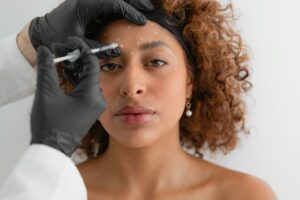
Wrinkle relaxers are one of the most widely used non-surgical cosmetic treatments for reducing dynamic facial wrinkles. As injectable treatments, they are specifically designed to target key botox areas of the face, such as the forehead, crow’s feet, frown lines, and bunny lines on the nose.
Dynamic wrinkles develop over time as repeated facial expressions—such as smiling, squinting, or raising the eyebrows—cause the muscles beneath the skin to contract. As skin elasticity gradually decreases with age, these repeated movements can create visible lines and creases.
Wrinkle relaxers work by temporarily reducing muscle activity in targeted areas of the face. By relaxing specific facial muscles, these treatments soften expression lines while preserving natural facial movement.
Botulinum toxin injections are among the most commonly performed minimally invasive cosmetic procedures each year. There are different botulinum toxin types available, such as Botox, Dysport, and Xeomin, each with unique formulations and uses for various treated areas to achieve natural-looking results.
Many patients initially associate wrinkle relaxers with treating forehead lines or frown lines, but the treatment can be used in many areas of the face and neck. Common treatment zones include:
- The upper face (forehead, glabella, crow’s feet)
- The midface and perioral region (around the mouth)
- The lower face and jaw
- The neck bands
Wrinkle relaxers work by temporarily blocking nerve signals to the targeted muscles, resulting in smoother skin above the treated areas.
Treatment goals vary depending on the area being treated. Some patients seek smoother skin and softened wrinkles, while others pursue facial contouring benefits such as jawline slimming or lifting the corners of the mouth.
At Monarch Esthetics in Charleston, treatment plans are tailored to the patient’s facial anatomy and aesthetic goals. A personalized treatment plan is essential to ensure that injections are customized to each individual’s unique facial structure and desired outcomes. We evaluate muscle movement patterns and wrinkle formation before recommending wrinkle relaxers or complementary treatments such as dermal fillers, SkinPen™ microneedling, or laser-based skin rejuvenation available at the clinic.
These treatments are associated with minimal downtime, allowing most patients to resume their daily activities shortly after the procedure.
How A Wrinkle Relaxer Works
Wrinkle relaxers belong to a class of medications known as neuromodulators, which temporarily reduce muscle activity by blocking communication between nerves and muscles. This process involves temporarily blocking nerve signals to the targeted muscles.
The active ingredient—botulinum toxin—interferes with the release of acetylcholine, a neurotransmitter that signals muscles to contract. Botox is designed to block signals from the brain to the muscles, which prevents muscle contraction and reduces dynamic wrinkles. When acetylcholine release is blocked, the targeted muscle becomes temporarily relaxed.
As a result:
- Muscle contractions become weaker
- Dynamic wrinkles soften
- Targeting specific facial muscles helps to reduce wrinkles, smooth wrinkles, and soften lines for a more youthful appearance
- The overlying skin appears smoother
Importantly, wrinkle relaxers do not remove skin or add volume. Instead, they treat wrinkles caused by repeated facial movement.
According to the U.S. Food and Drug Administration (FDA), botulinum toxin injections are approved for the temporary improvement of moderate to severe facial wrinkles.
Effects typically develop gradually over several days and may last three to six months, depending on the treatment area, dosage, and the patient’s metabolism.
Injection Sites And Areas Of The Face: Treatment Map
Injection sites are carefully selected based on facial muscle anatomy, wrinkle patterns, and the patient’s desired results. Botox injections are mapped to target specific facial muscles for optimal smoothing of dynamic wrinkles and to achieve a more youthful appearance.
Experienced injectors consider several factors when mapping treatment areas:
- Muscle strength and movement patterns
- Facial symmetry
- Preservation of natural expressions
- Overall facial balance
Choosing the best areas for Botox starts with understanding your unique features and goals. Consulting with a dermatologist is the safest and most effective way to get natural results that exceed your expectations.
Conservative dosing is commonly used to ensure that results appear natural rather than “frozen.”
The duration of results can vary depending on:
- The muscle being treated
- The product used
- The patient’s metabolism
- Previous treatment history
Results generally last for several months, and regular maintenance treatments are recommended to sustain the effects.
Upper Face: Forehead Lines, Frown Lines, Crow’s Feet, Bunny Lines, Upper Eyelids
The upper face is the most common area treated with wrinkle relaxers. Treating this region can significantly affect how the face appears when at rest and during expression. Targeting these botox areas can result in a more refreshed appearance, helping patients achieve a revitalized, natural look.
Many providers treat multiple upper-face muscles together because facial muscles work in balance. For example, combining forehead and glabellar injections often produces more natural-looking results than treating only one area.
Forehead Lines (Frontalis)
Horizontal forehead lines develop when the frontalis muscle lifts the eyebrows repeatedly.
Strategic injections into this muscle can soften these horizontal lines while still allowing natural eyebrow movement.
Results typically last three to four months, although this can vary depending on muscle strength.
Frown Lines (Glabella / “11s”)
Frown lines between the eyebrows—often called “11 lines”—are caused by the corrugator and procerus muscles.
Relaxing these muscles can soften the vertical creases that form when a person frowns or concentrates. This treatment often creates a more relaxed and approachable appearance.
Crow’s Feet
Crow’s feet, also known as lateral canthal lines, are fine lines that extend from the outer corners of the eyes and are caused by repeated contraction of the orbicularis oculi muscle. Crow’s feet are one of the first signs of aging and among the most common Botox injection sites. These lines can be effectively treated with wrinkle relaxers.
Small, carefully spaced injections can reduce these lines while preserving a natural smile.
Bunny Lines
Bunny lines are small diagonal creases that appear along the sides of the nose when you wrinkle it, often when smiling or laughing.
You can treat bunny lines with wrinkle relaxers or Botox to soften their appearance. Small injections on each side of the upper nasal bridge can help reduce these lines.
Upper Eyelids And Brow Positioning
Strategic injections near the brow may create a subtle lifting effect known as a chemical brow lift.
Careful placement is essential to avoid lowering the brow or interfering with eyelid function.
Midface And Perioral Areas: Lip Flip, Smoker’s Lines, Smile Lines
Treatments around the mouth require extremely precise dosing because the muscles in this area are involved in speech, eating, and facial expression. Fine lines and fine vertical lines, such as lip lines and smoker’s lines, can develop in this area.
Fine vertical lines around the mouth are often called smoker’s lines and can appear from talking, laughing, and sipping through straws. Botox can be used to treat fine lines around the mouth, often referred to as smoker’s lines. Lip lines are vertical lines around the mouth, and a gummy smile is characterized by excess gum display when smiling.
In this region, wrinkle relaxers are often used alongside dermal fillers to address both muscle movement and volume changes.
Lip Flip
A lip flip involves placing small amounts of wrinkle relaxer into the orbicularis oris muscle above the upper lip.
This allows the upper lip to roll slightly outward, creating the appearance of greater lip fullness.
Unlike fillers, a lip flip does not add volume. Results typically last two to four months.
Smoker’s Lines (Perioral Lines)
Vertical lines around the lips may develop from repeated puckering motions.
Tiny superficial injections can soften these lines while preserving normal lip movement.
Smile Lines And Mouth Corners
Targeting muscles that pull the mouth downward can subtly lift the corners of the mouth.
These treatments are often combined with dermal fillers when deeper folds are present.
Lower Face And Jaw: Chin Dimpling, Jawline Slimming, Marionette Lines
Wrinkle relaxers can also improve texture and contour in the lower face. Treating the masseter muscle with Botox injections can help relieve jaw tension caused by clenching or grinding (bruxism) and improve facial aesthetics by slimming the jawline and creating a more oval or V-shaped contour.
Jawline treatments often involve slimming the jawline and addressing teeth grinding. Botox can also be used to smooth chin dimpling caused by overactive muscles.
Because muscles in this area are important for chewing and speaking, treatment requires careful anatomical knowledge.
Chin Dimpling (Mentalis)
The mentalis muscle can create a dimpled or “orange peel” texture in the chin when contracted.
Relaxing this muscle can smooth the chin and create a more even surface.
Jawline Slimming And Masseter Treatment
Injections into the masseter muscles—the muscles used for chewing—can reduce jaw muscle bulk.
This treatment is sometimes used for:
- jawline slimming
- relief of teeth grinding (bruxism)
- tension in the jaw muscles
Changes in jaw contour typically develop gradually over several weeks.
Marionette Lines
Muscles that pull the corners of the mouth downward can contribute to a sad or tired appearance.
Small doses in these depressor muscles may lift the mouth corners slightly.
Neck Treatments: Platysmal Bands And Vertical Neck Lines
Wrinkle relaxers can also be used in the neck to treat platysmal bands, which are vertical cords that become visible when the neck muscles contract. Vertical neck bands can become more visible with age or frequent downward gazing.
Neck bands, or platysmal bands, refer to tightening horizontal lines and bands on the neck. Botox can be injected into the neck to reduce the appearance of vertical neck bands and improve the neck’s appearance.
Relaxing these muscles can soften the appearance of neck bands and improve the overall transition between the face and neck.
Because neck muscles play a role in swallowing and movement, treatment in this area requires careful mapping and dosing.
Key Benefits Of Wrinkle Relaxers
Wrinkle relaxers offer several cosmetic and functional benefits.
These treatments can:
- Soften dynamic expression lines and soften lines for a smoother, more natural look
- Create a more relaxed and refreshed facial appearance
- Reduce muscle tension in certain areas
- Smooth wrinkles and reduce wrinkles, helping restore a more youthful appearance
Regular and consistent treatments with wrinkle relaxers can help prevent deeper, permanent wrinkles from forming, supporting long-term skin health and a revitalized, refreshed appearance.
In some cases, treatments targeting jaw muscles or neck bands may also help relieve symptoms associated with muscle tension.
Candidate Selection, Contraindications, And Safety Considerations
Wrinkle relaxers are typically best suited for patients with dynamic wrinkles, meaning wrinkles that appear during facial movement.
Ideal candidates generally:
- Are in good overall health
- Have realistic expectations
- Want non-surgical cosmetic improvements
It is important to discuss any medical concerns and medical conditions, such as neuromuscular disorders or medication allergies, with your provider before treatment. According to the FDA, individuals with certain neuromuscular disorders or those who are pregnant should avoid botulinum toxin treatments.
During consultation, providers review:
- Medical history
- Medications
- Allergies
- Previous cosmetic procedures
Most side effects are mild and temporary, including bruising or mild swelling.
What To Expect: Results Timeline, Follow-Up, And Maintenance
Results develop gradually after treatment.
Typical timeline:
- Early improvement: 3–7 days
- Peak results: about two weeks
- Duration: Results generally last about three to four months, depending on the treatment area and individual factors. The effects of wrinkle relaxers typically last between three to four months.
Regular maintenance treatments are recommended to sustain the results of wrinkle relaxers and maintain a youthful appearance.
Maintenance schedules are personalized depending on the patient’s goals and how quickly muscle movement returns.
Questions To Ask Your Injector About Injection Sites And Goals
Before treatment, patients may wish to ask their provider questions such as:
- Which muscles will be treated?
- How many injection sites will be used?
- What results should I expect over time?
- How often will maintenance treatments be needed?
- How will my personalized treatment plan be developed, and which treated areas will be targeted to achieve my specific goals?
Understanding the treatment plan helps ensure results align with the patient’s expectations.
Frequently Asked Questions
What areas of the face are most commonly treated with wrinkle relaxers?
The most common treatment areas include the forehead, frown lines between the eyebrows, and crow’s feet around the eyes.
How quickly do wrinkle relaxers start working?
Most patients notice improvement within 3 to 7 days, with full results appearing around two weeks.
How long do results last?
Results typically last three to six months, depending on the treatment area and individual metabolism.
Are wrinkle relaxer injections painful?
Most patients describe the injections as quick and only mildly uncomfortable. Very small needles are used.
Can wrinkle relaxers look natural?
Yes. When performed by experienced injectors using conservative dosing, results typically soften wrinkles while preserving natural facial movement.
Conclusion
Wrinkle relaxers can be used in many areas of the face and neck to reduce dynamic wrinkles and improve facial balance. By temporarily relaxing specific muscles, these treatments soften expression lines while maintaining natural movement.
The upper face remains the most commonly treated region, but treatments around the mouth, jaw, and neck can also address aesthetic concerns and muscle tension.
Understanding the different injection sites and their effects can help patients make informed decisions about treatment options. Consulting with our team of experts will allow for a personalized treatment plan that considers facial anatomy, movement patterns, and long-term aesthetic goals.
With careful planning and expert technique, wrinkle relaxer treatments can produce subtle improvements that enhance facial appearance while maintaining authentic expression.